
Astronomy & Scouting
How Scouting America and Astronomy Have Been Connected for Over a Century
Tonight's Agenda
- A 115-Year History: Astronomy in Scouting
- Scouts Who Reached the Stars
- Current Scouting Astronomy & Space Programs
- BAS + Scouting: What We've Done So Far
- Scout the Moon: A Proposal for BAS
A 115-Year Partnership
Astronomy & Space in Scouting America
The Astronomy Merit Badge
1911 — Present
- One of the original 57 merit badges when BSA first began awarding them in 1911
- One of only ~21 original badges still offered today
- Continuously available for over 115 years
- Most recently updated: January 2025
Source: Wikipedia — "Original 57 merit badges (Boy Scouts of America)"; USScouts.org
The Space Exploration Merit Badge
1965 — Created with NASA
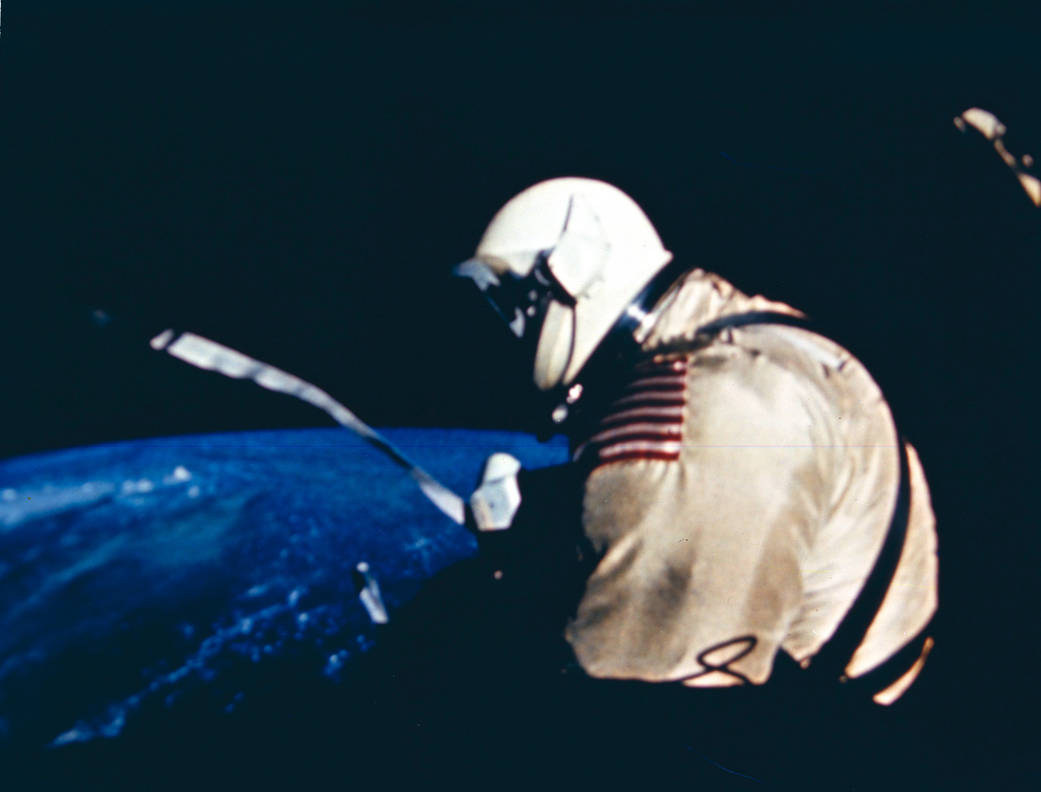
- On June 3, 1965, astronaut Ed White carried the brand-new badge in his spacesuit pocket during the first American spacewalk on Gemini 4
- That badge is now displayed at the National Scouting Museum at Philmont Scout Ranch
- Over 420,000 Space Exploration merit badges earned since 1965
Source: Scouting Magazine; BSA Scouting and Space Exploration Fact Sheet

NASA–Scouting Partnership Continues
December 2024: First-Ever Space Act Agreement
- NASA's Office of STEM Engagement signed a Space Act Agreement with Scouting America's Sam Houston Area Council
- Enables a space-focused summer camp at Camp Strake:
- Hands-on STEM activities
- Johnson Space Center tours
- Robotics and space exploration workshops
- NASA Glenn Research Center maintains "Scouting Paths to NASA" career pathway program
Source: NASA.gov; The Leader News
Scouts Who Reached the Stars
Scouting's Impact on Space Exploration
Source: Scouting Magazine; BSA Fact Sheet 210-558; NASA Glenn Research Center
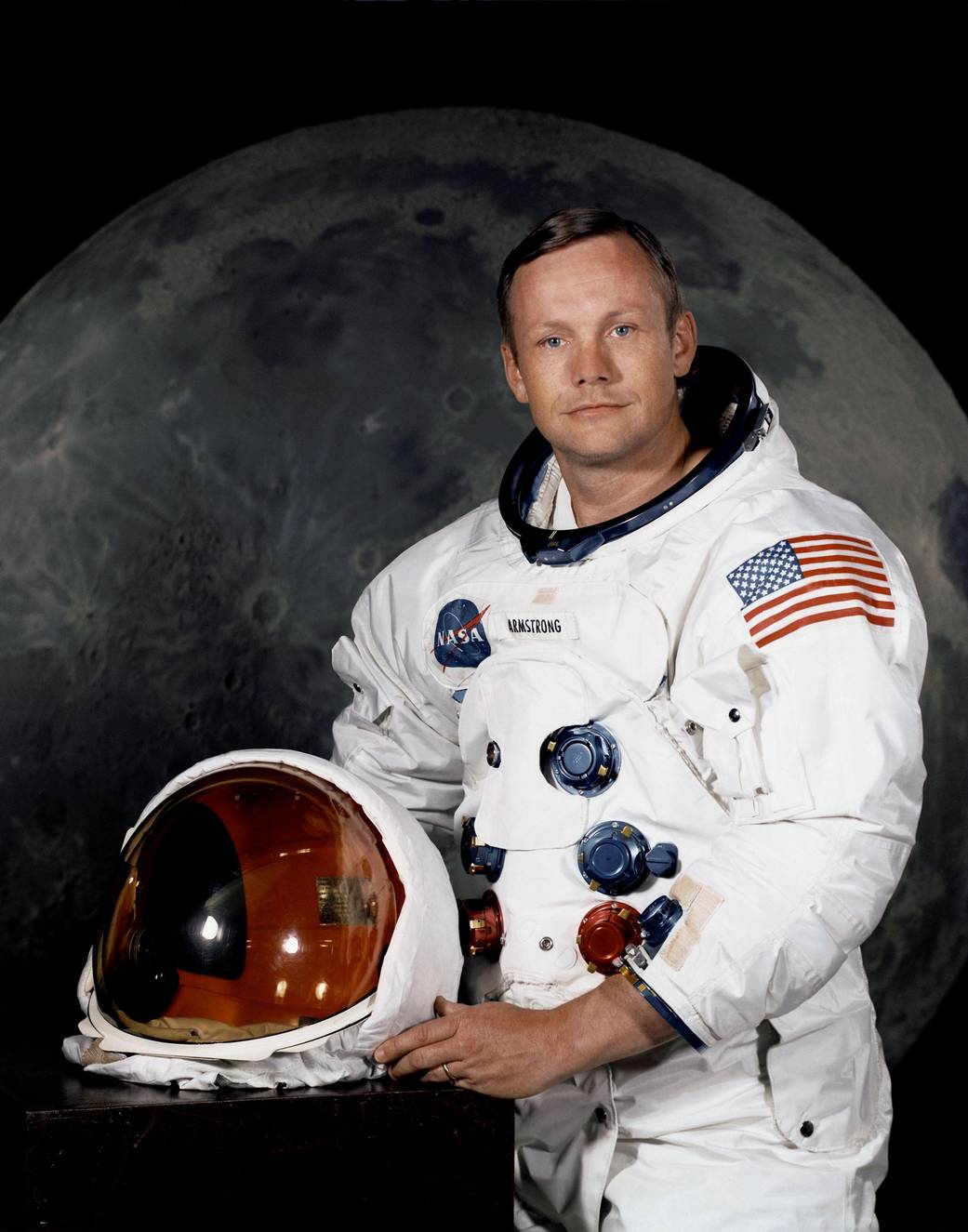
Eagle Scout Neil Armstrong
- Eagle Scout, Troop 14/25, Wapakoneta, Ohio
- Earned 26 merit badges
- First person to walk on the Moon — Apollo 11, July 20, 1969
- Named the Lunar Module "Eagle"
- Carried a World Scout Membership Badge to the Moon and back
"I'd like to say hello to all my fellow Scouts and Scouters at Farragut State Park in Idaho having a National Jamboree there this week."
— En route to the Moon, July 18, 1969
Source: Scouting Magazine; Order of the Arrow; Apollo11Space.com
Notable Scout Astronauts
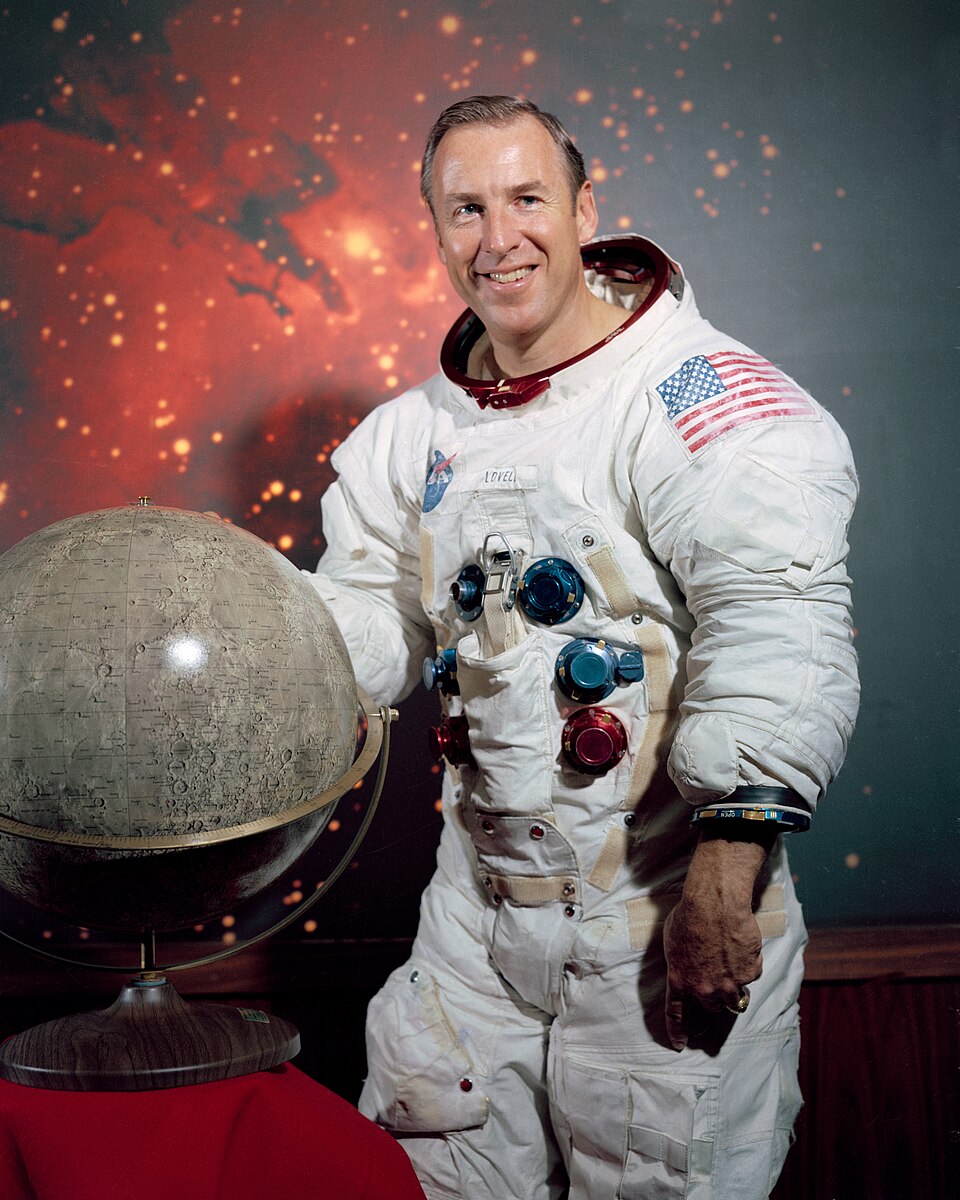 Jim Lovell
Apollo 13 Commander
Eagle Scout
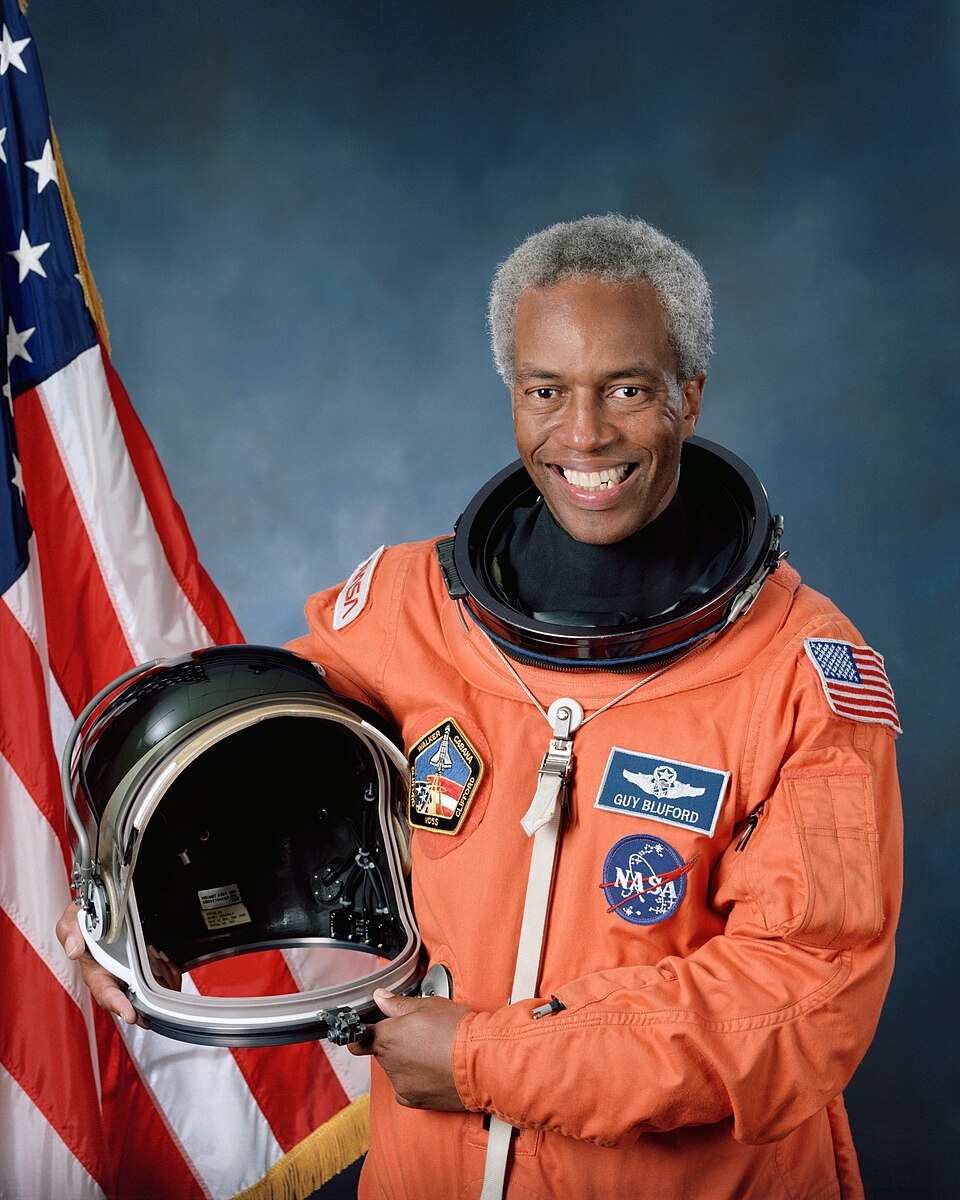 Guion Bluford
1st African American in Space
Eagle Scout
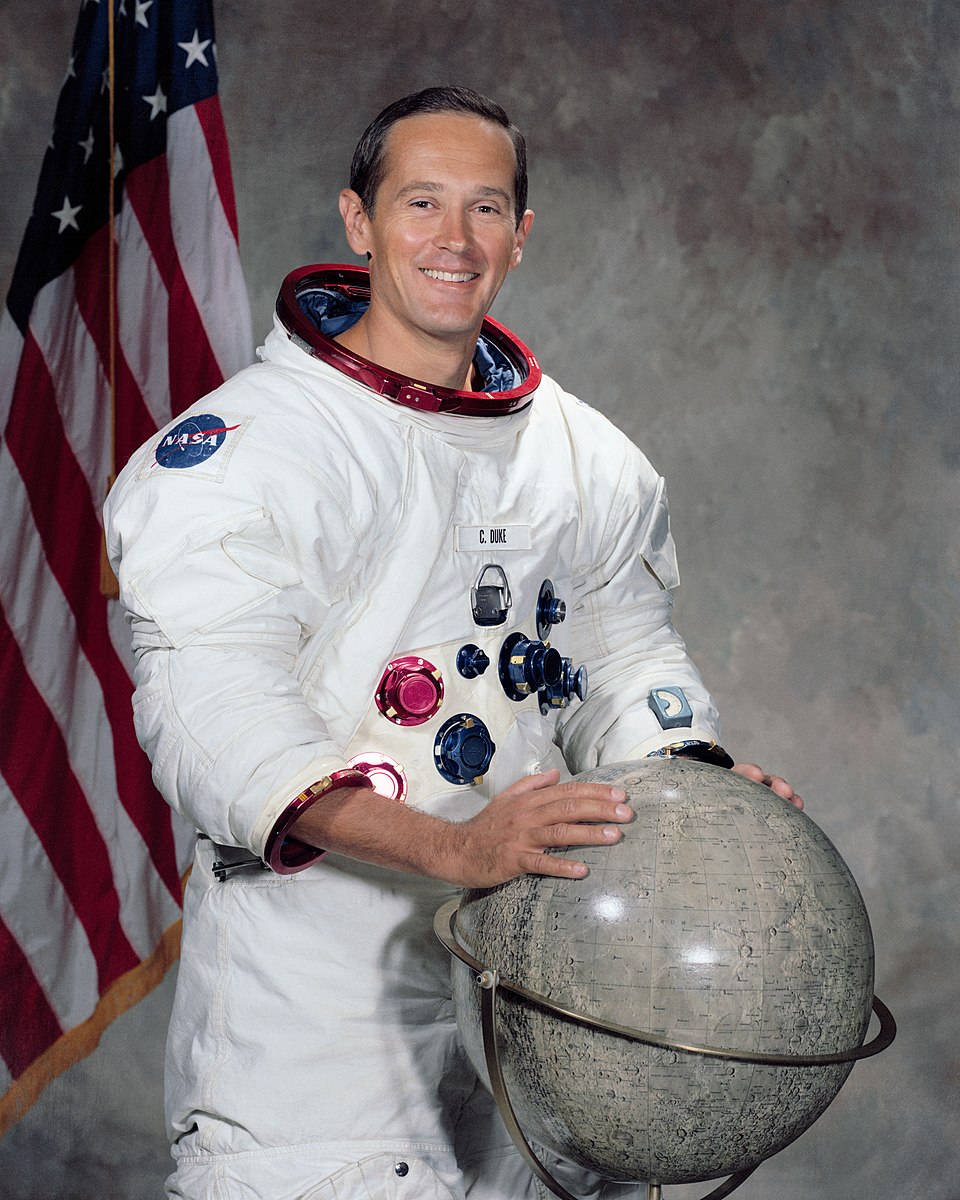 Charlie Duke
Youngest Moonwalker
Eagle Scout
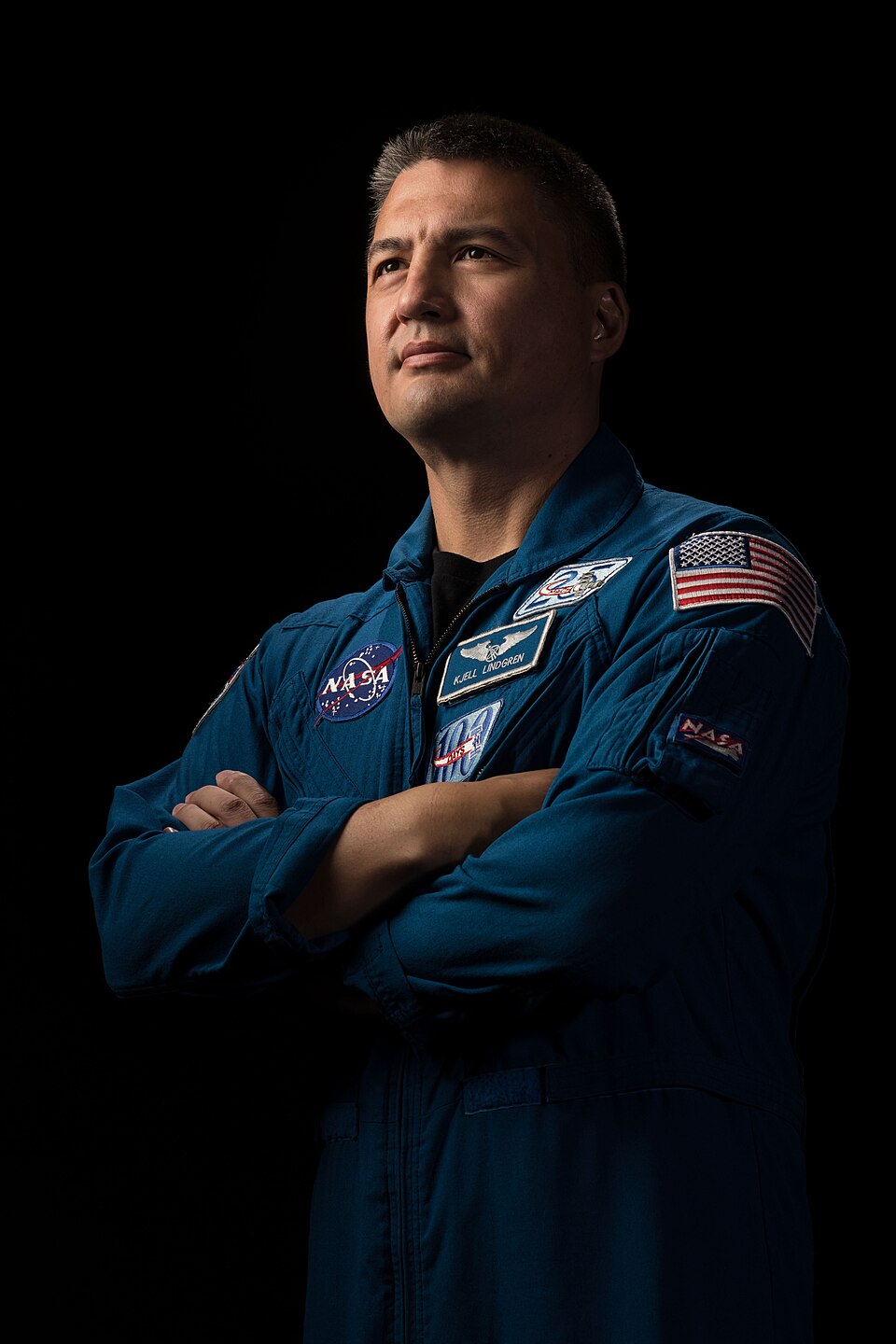 Kjell Lindgren
Crew-4 Commander
Active Scoutmaster
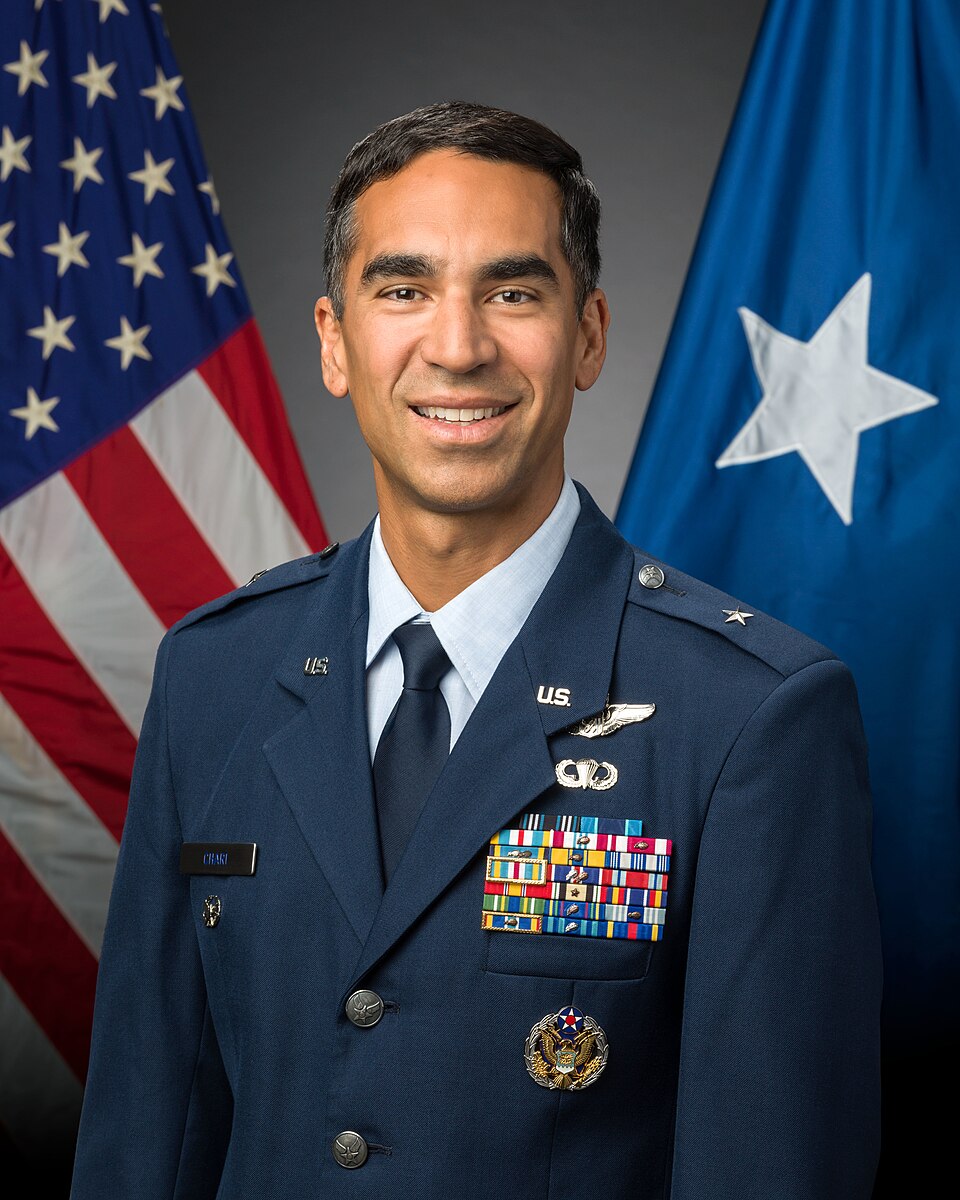 Raja Chari
Crew-3 Commander
Eagle Scout
Source: Scouting Magazine; ScoutingAlumni.org; USScouts.org
In Their Own Words
"I can think specifically to a time when I was doing survival training in the Air Force, and, to me, it was just like a cool camping trip because I got to apply some of the practices I learned in the Scouts. It really prepared me for my career."
— Raja Chari, SpaceX Crew-3 Commander
- Kjell Lindgren spoke to Scouts via radio from the ISS during the 23rd World Scout Jamboree in Japan (2015)
- He continues to serve as an assistant Scoutmaster and outdoor ethics advisor
Source: ScoutingWire; Scouting Magazine
Astronomy & Space in Scouting Today
Astronomy Merit Badge
Current Requirements — Scouts BSA (Ages 11–17)

- Identify 10+ constellations and 8 conspicuous stars
- Sketch Big Dipper or Cassiopeia at two times to show movement
- Explain light pollution and its effects
- Describe types of telescopes and 3 instruments
- List 5 most visible planets; observe a planet
- Sketch lunar face labeling 5 seas and 5 craters
- Sketch Moon's phase on 4 nights in one week
- Attend a star party, planetarium, or astronomy club
Source: Scouting.org; BoyScoutTrail.com
Space Exploration Merit Badge
Current Requirements — Scouts BSA (Ages 11–17)
- Explain the purpose and benefits of space exploration
- Research space pioneers — design a collector's card
- Build, launch, and recover a model rocket; identify 8 components
- Demonstrate understanding of action-reaction, orbits, satellite imaging
- Discuss robotic missions or design a sample-return mission
- Design an inhabited base on another world
- Explore space careers
Source: Scouting.org; BoyScoutTrail.com
Cub Scout & STEM Programs
Cub Scouts (Grades K–5)
- Sky is the Limit — Tiger (1st grade) elective adventure
- Night sky observation, use binoculars/telescope, identify 2 constellations
- Only dedicated astronomy adventure in the current Cub Scout program
STEM Nova Awards (Now Discontinued)
- "Out of This World" (Wolf through Arrow of Light) — was the primary space-focused Cub Scout award
- Required finding constellations, investigating planets, visiting an astronomy club
- Nova and Supernova awards have been discontinued by Scouting America, further widening the gap
Source: Scouting.org; ScouterMom.com
The Gap
- Astronomy merit badge: Scouts BSA only (ages 11–17)
- Sky is the Limit: Tigers only (1st grade)
- "Out of This World" Nova: Wolf through AOL — now discontinued
- No structured, ongoing lunar observation program for any age
- Units want to do astronomy but lack expertise and equipment
- The Astronomical League's Sky Puppy program exists but is not formally partnered with Scouting
Source: Astronomical League — Sky Puppy Observing Program
What We've Already Started
BAS + Scouting Partnership
University of Scouting
Cherokee Area Council
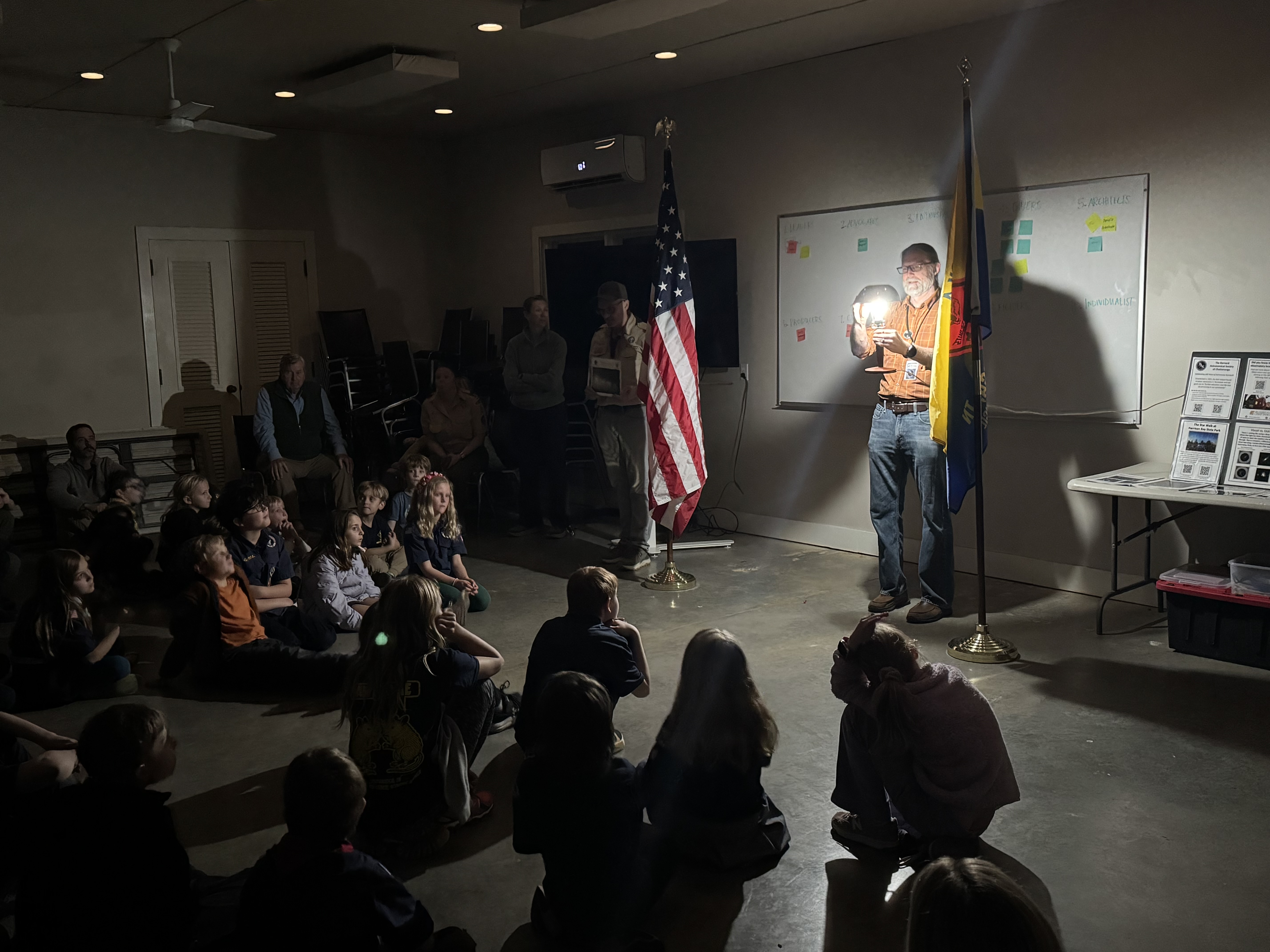
- BAS hosted an information table at the Cherokee Area Council's University of Scouting
- Provided exposure to approximately 100 adult and youth leaders across the council
- Introduced BAS's mission and capabilities to Scout leadership
- Generated interest in future astronomy partnerships
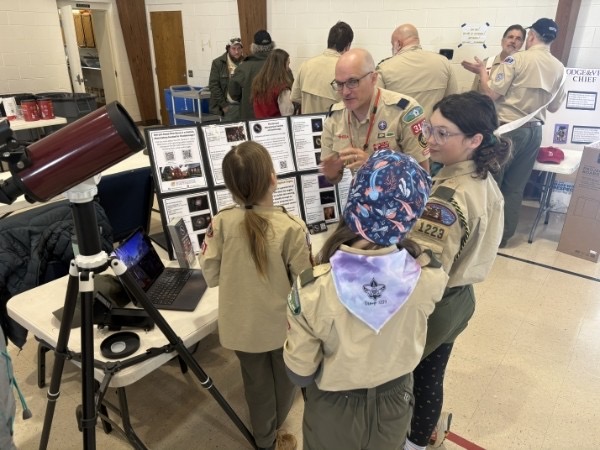
Star Party — Pack 4
Reflection Riding
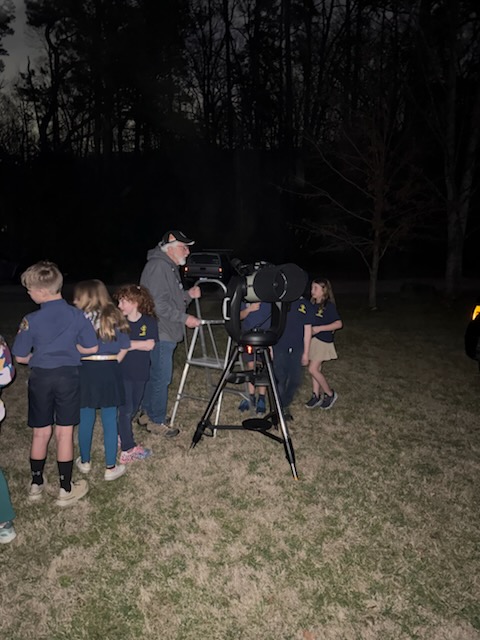
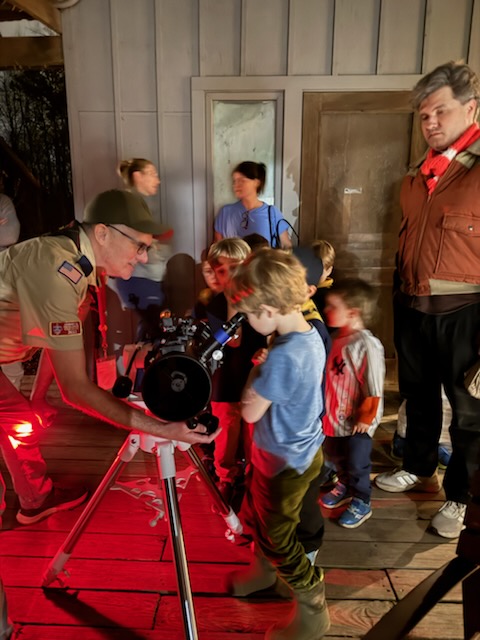
- BAS hosted a star party for Cub Scout Pack 4 at Reflection Riding
- Approximately 40 Scouts (grades K–5) and their families attended
- Scouts observed through BAS member telescopes with member guidance
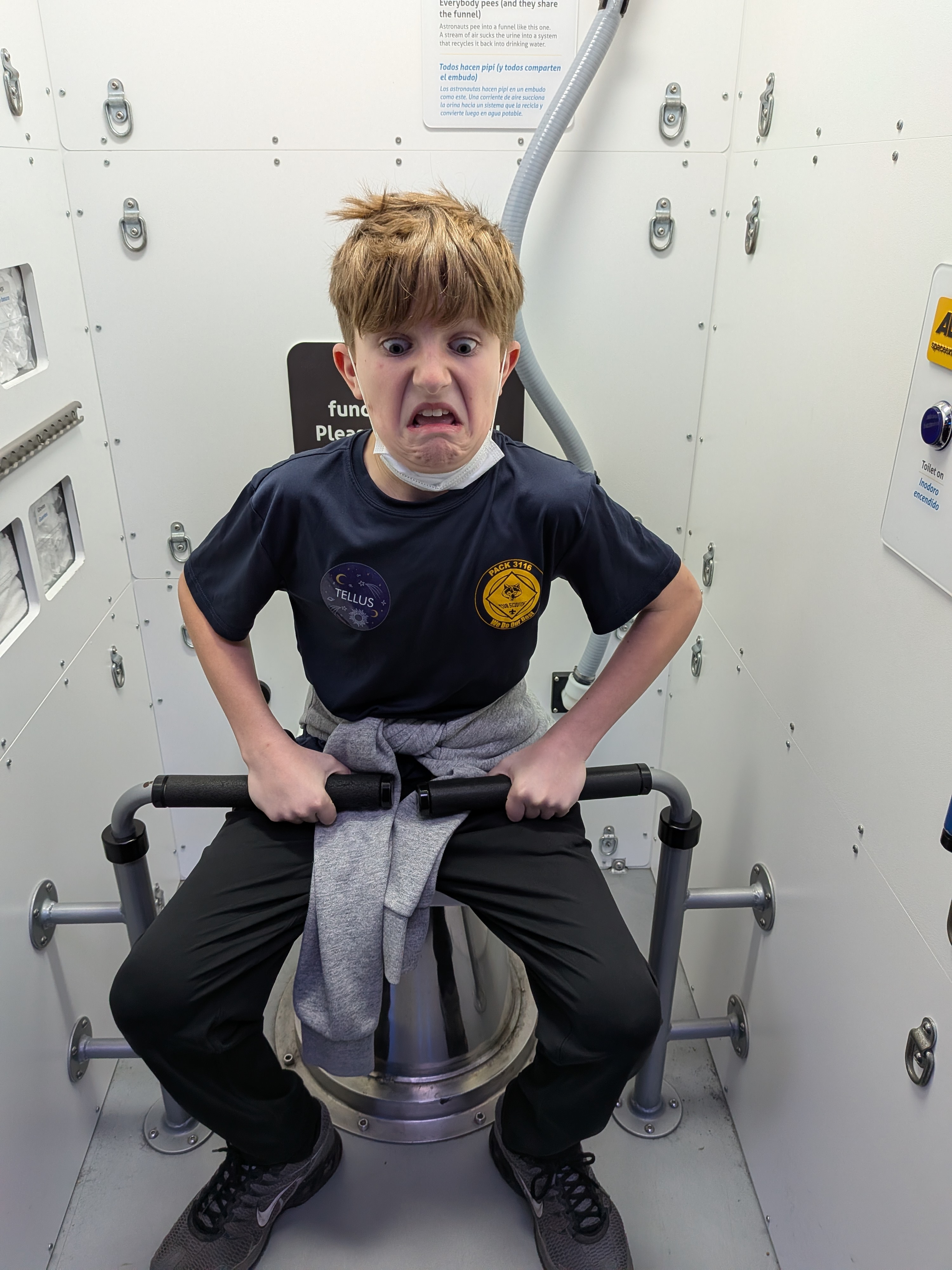
Pack 3116 at Tellus Science Museum
- Pack 3116 visited the Tellus Science Museum in Cartersville, GA
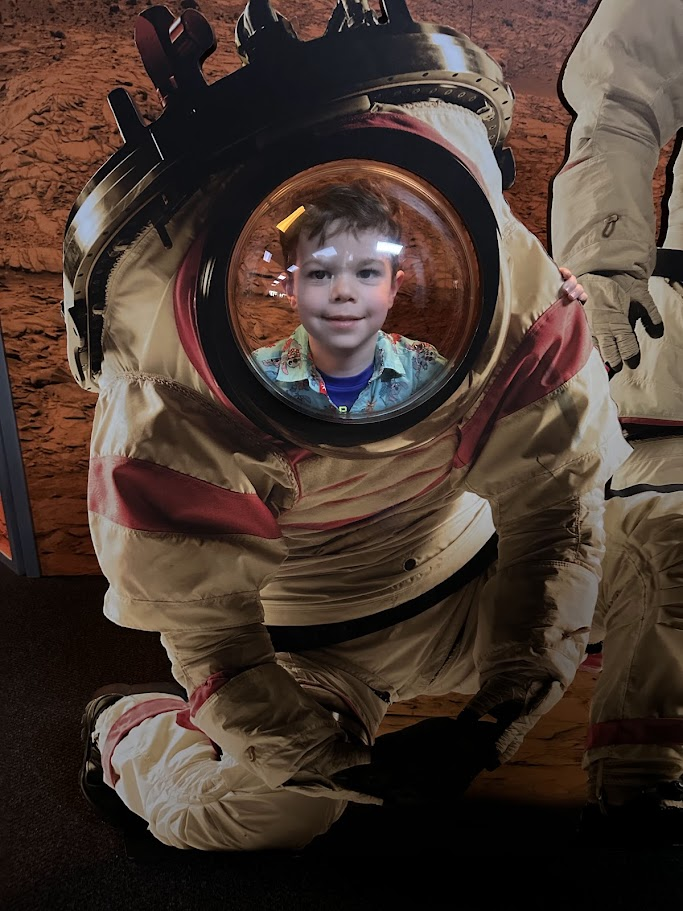
- Explored space science exhibits and a mockup of the International Space Station
- Connected real science with Scouting adventure
Scout the Moon
A Proposed BAS–Scouting Lunar Observation Program
My Personal Inspiration
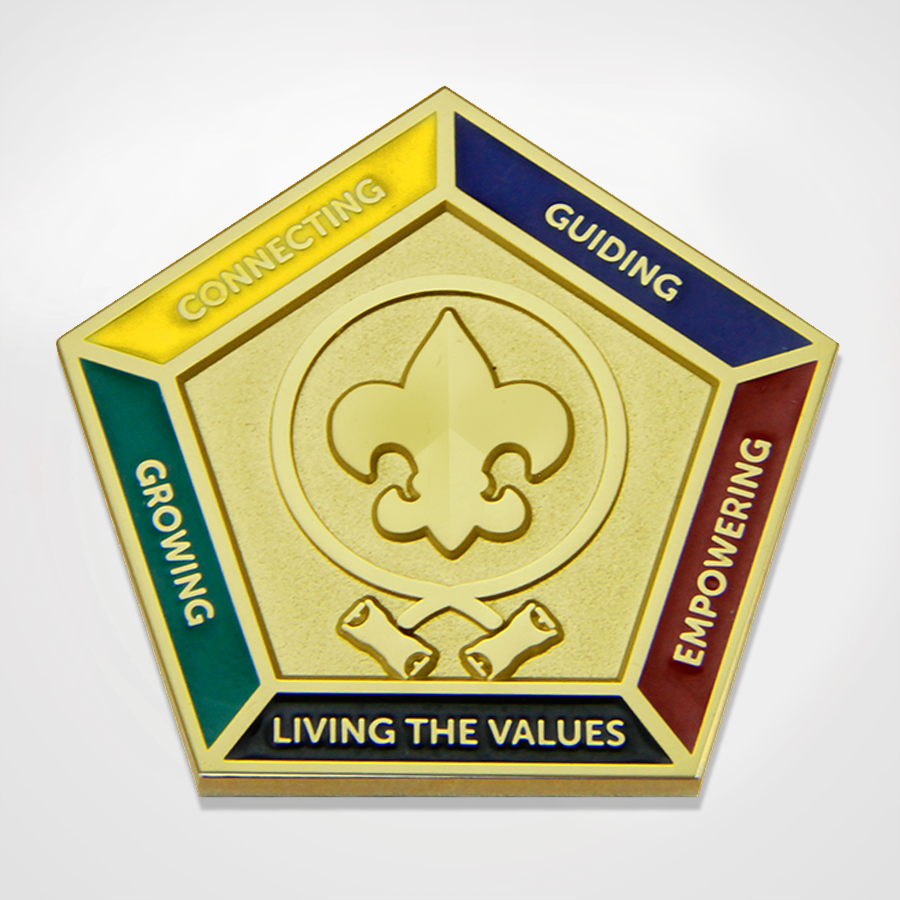
Wood Badge
- Scouting America's premier leadership training program, originating in 1919 at Gilwell Park, England
- Graduates commit to a "Ticket" — five SMART goals completed within 18 months
My Wood Badge Ticket
- Vision: "Grow Scouting in my Pack by supporting leaders and building programming"
- Goal #6: "Create an observation program for the Moon and present it to the Cherokee Area Council Activities Committee by Spring 2027"
What is Scout the Moon?
A structured lunar observation program designed by BAS for Scouting America's Cherokee Area Council
- Inspired by International Observe the Moon Night (NASA)
- Leverages BAS expertise to create age-appropriate observation guides
- Serves hundreds of Scouts across the Cherokee Area Council (~1,500 youth)
- Scalable and repeatable — runs year after year with modest time investment
- Adaptable beyond Scouting — homeschool groups, school clubs, library programs
How It Works
Age-Differentiated Materials
- Cub Scouts (K–5): Basic lunar phases, simple mare identification
- Scouts BSA (11–17): Mare identification, crater features, advanced observation and documentation
Three Pathways to Completion
- Individual — own pace, personal equipment or binoculars
- Unit-based — den, patrol, or troop completes together
- InOMN Event — complete at BAS's annual Observe the Moon Night
Recognition: Completion certificate / patch / pin / coin (TBD)
Token of Achievement
Scouts who complete the program earn a recognition patch or challenge coin
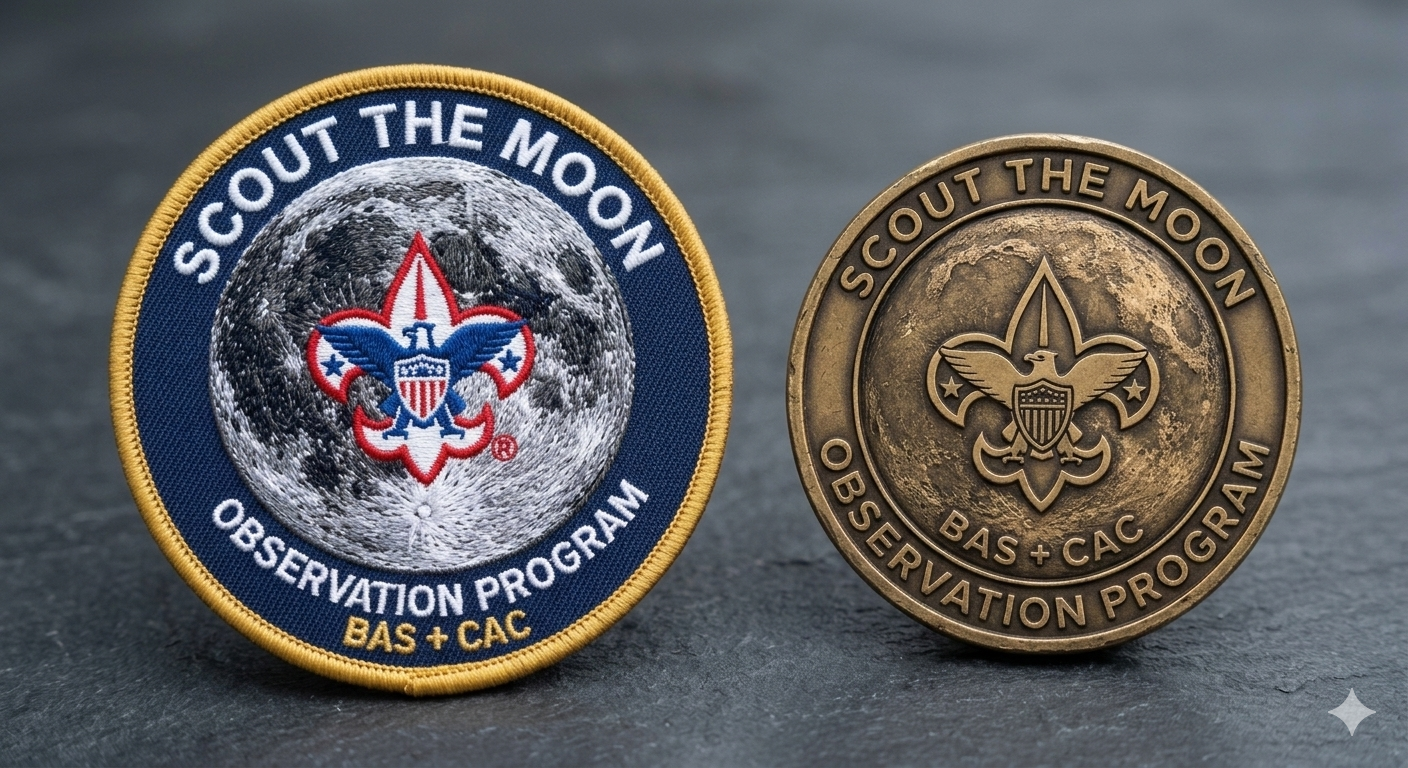
*Design subject to change
International Observe the Moon Night
- Annual global event sponsored by NASA's Lunar Reconnaissance Orbiter mission
- Held on a Saturday in Sept/Oct when the Moon is at first quarter phase — ideal for observing craters along the terminator
- 2026 date: Saturday, September 19
- In 2025: estimated 1 million people in 129 countries participated
- BAS already participates annually — Scout the Moon creates a natural connection point
Source: NASA Science — International Observe the Moon Night
What BAS Needs to Make It Happen
Development Phase (2026)
- Development Committee: 3–5 BAS members
- 3–4 collaborative meetings to create curriculum
- Small pilot printing budget (~$50–100)
Ongoing Operations
- Program Coordinator: 1 BAS member
- ~2–3 hours/month
- Reviews completed materials, coordinates with Council
Modest investment. Sustainable workload.
Benefits to BAS
| Benefit | Details |
|---|---|
| Mission | Directly fulfills our educational outreach objectives |
| Visibility | Partnership with a major youth organization serving ~1,500 youth |
| Membership Pipeline | Introduces astronomy to hundreds of youth and families annually |
| Legacy | Sustainable program that outlives any individual volunteer |
| Scalability | Materials serve audiences beyond Scouting — schools, libraries, public events |
Timeline
| When | Milestone |
|---|---|
| March 2026 | Present to BAS membership (tonight!) |
| Spring 2026 | Discussion and approval vote (if needed) |
| Q1–Q2 2026 | Form development committee; develop materials |
| Q2–Q3 2026 | Pilot test with 2–3 Scouts |
| Q3–Q4 2026 | Refine materials; finalize recognition token |
| Sept 19, 2026 | Potential soft launch at InOMN |
| Q1 2027 | Present to Cherokee Council Activities Committee |
| Spring 2027 | Official council-wide launch |
How You Can Help
- Join the Development Committee — help create observation guides and review materials for accuracy
- Volunteer as Program Coordinator — be the point of contact (~2–3 hrs/month)
- Support at InOMN — help Scouts observe during our annual event
- Share your expertise — your knowledge of the Moon is exactly what these kids need
- Vote to approve the program this spring
"I'd like to say hello to all my fellow Scouts and Scouters..."
— Neil Armstrong, en route to the Moon, July 18, 1969
Scouting has been inspiring astronomers and space exploration for 115 years.
Wouldn't it be something if the next generation could credit BAS as well?